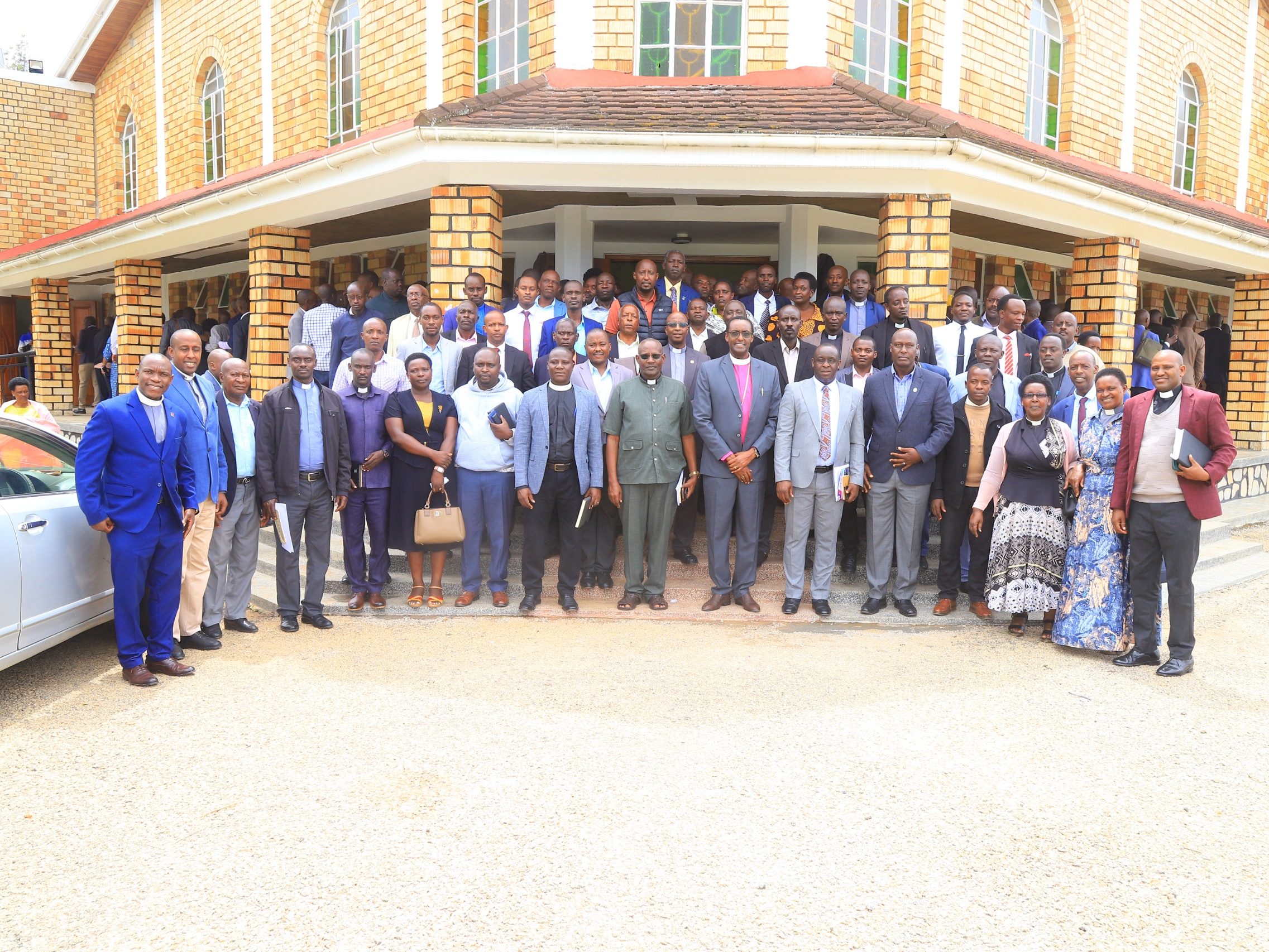
On 25 March 2026, while delivering his remarks as Guest Speaker, Dr. Ainomugisha underscored the distinctive role of Church-founded schools, describing them as centres of excellence that nurture not only academic achievement but also character formation and spiritual grounding.
However, he highlighted leadership transition as one of the most critical and often fragile, challenges facing such institutions today. He noted that without deliberate succession planning, many schools risk instability that can undermine long-term progress.
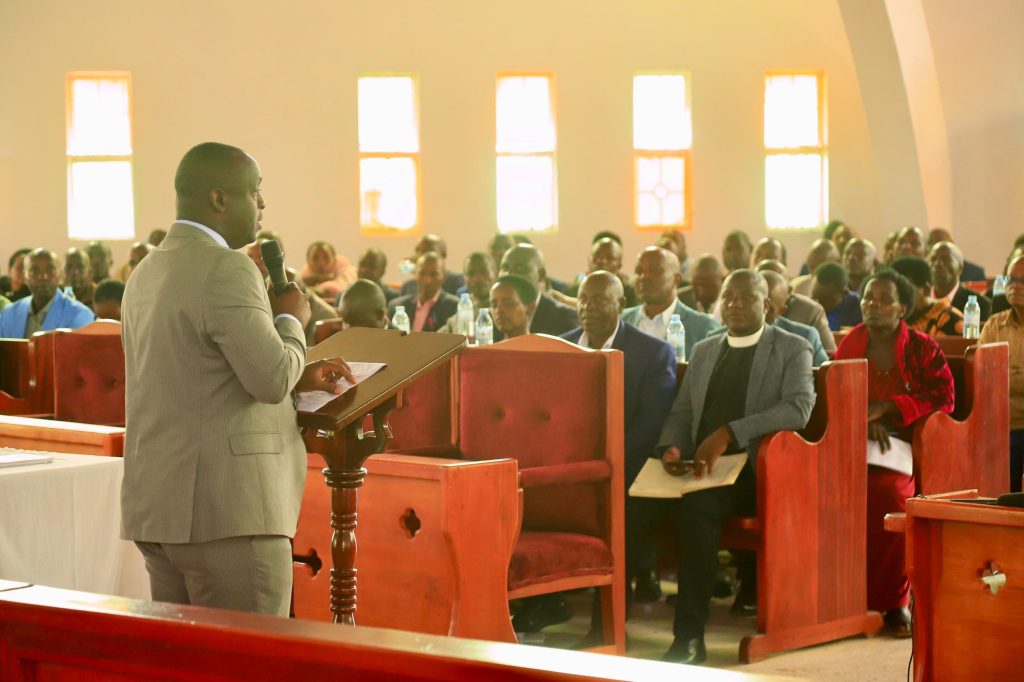
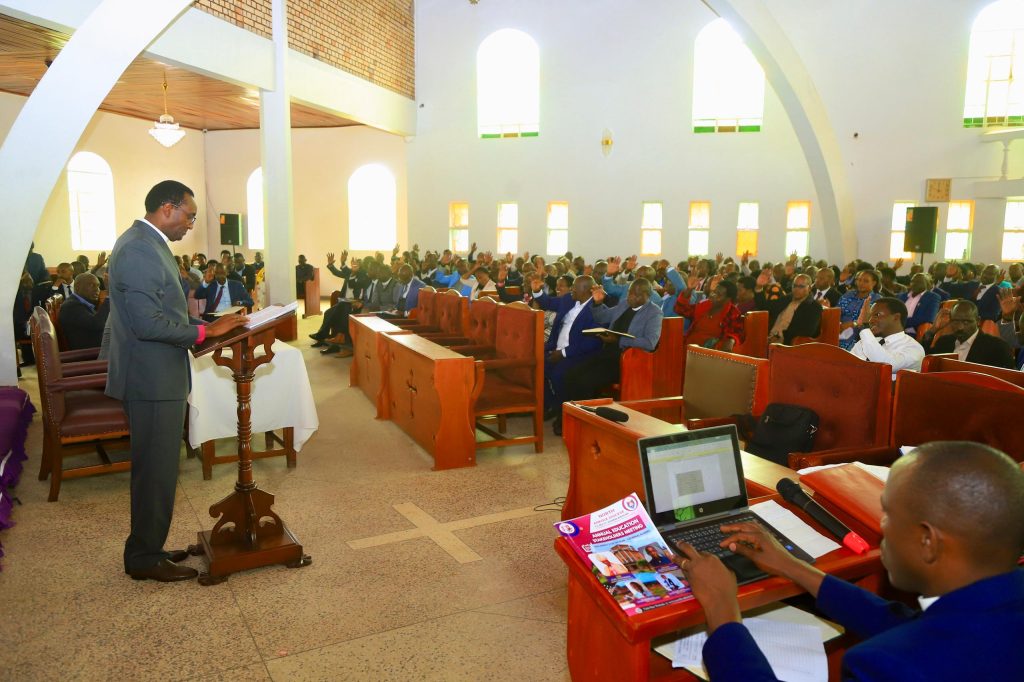
Dr. Ainomugisha urged school leaders to adopt forward-looking strategies that strengthen financial management, communication frameworks, and academic systems. He cautioned against the tendency to build personal empires within institutions, emphasising that such approaches weaken staff commitment, disrupt continuity, and ultimately hinder sustainable development.
Instead, he called for the cultivation of strong institutional structures that outlive individual leaders and promote collective responsibility.
As a cornerstone of sustained progress, the Vice Chancellor stressed the importance of identifying, mentoring, and empowering staff with leadership potential, encouraging school administrators to demonstrate trust and confidence in emerging leaders.
He further appealed to the Diocesan Education Office to remain open to innovation, particularly in handling staff transfers and addressing emerging challenges with decisiveness and timeliness.
Dr. Ainomugisha’s message resonated strongly with stakeholders, reinforcing the need for intentional leadership development and resilient systems as key drivers of lasting excellence in Church-founded schools.